
12 Top Best Toy Brands in the World (2025 Review) — Barbie Still #1
Toys aren’t just tools for play—they’re the heartbeat of childhood, the spark behind creativity, and the gateway to learning. Whether it’s a doll that inspires dreams, a block that builds futures, or a race car that fuels excitement, toys have a unique power to shape minds and create memories. And with hundreds of brands competing for attention, how do you know which ones truly stand out?
That’s exactly what we’re here to answer.
In this in-depth review of the 12 Top Best Toy Brands of 2025, we’re pulling back the curtain on the companies that are not only dominating the market but also transforming how children grow, play, and connect.
That’s exactly what we’re here to answer.
In this in-depth review of the 12 Top Best Toy Brands of 2025, we’re pulling back the curtain on the companies that are not only dominating the market but also transforming how children grow, play, and connect.
Table of Contents
1. Barbie by Mattel — The Reigning Queen of Toys
Few toys are as iconic as Barbie. Since her debut in 1959, Barbie has redefined what it means to be a fashion doll. Created by Ruth Handler and manufactured by Mattel, Barbie wasn’t just another toy—she was a cultural revolution. T
he first doll of her kind to look like an adult woman, she immediately set herself apart from the baby dolls that dominated the market at the time.
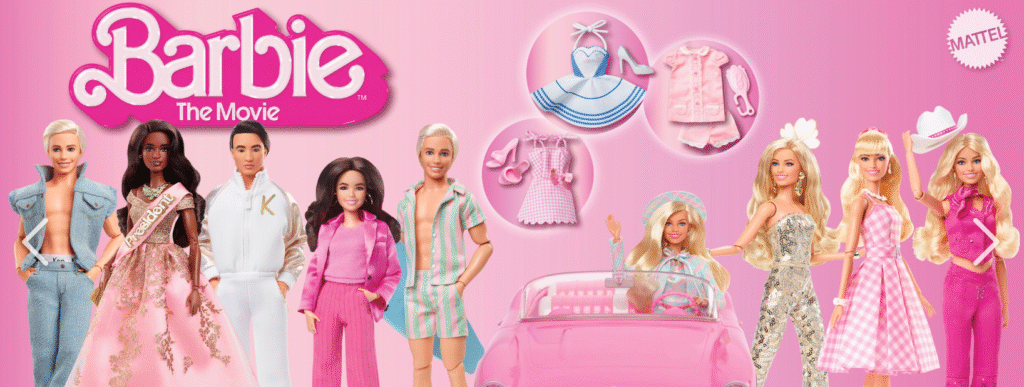
Over the decades, Barbie has evolved dramatically. She’s gone from being simply a fashion icon to representing a wide array of careers—doctors, astronauts, engineers, presidents—demonstrating to young girls that they can be anything.
This aspirational branding has kept Barbie relevant through the years, adapting to cultural changes and consistently staying ahead of trends.
In 2025, Barbie remains #1 for a reason. Mattel’s strategic brand management plays a massive role. From producing inclusive dolls with different body types, skin tones, and disabilities, to launching powerful collaborations with brands like NASA and Disney, Barbie is more than just a doll—she’s a movement.
The Barbie movie release in 2023 boosted the brand’s visibility globally and reintroduced her to a new generation.
Mattel’s constant reinvention of the Barbie line also taps into both nostalgia and modernity. Adult collectors and Gen Alpha kids are equally enchanted.
The digital integration through Barbie apps, animated shows, and YouTube content has helped the brand stay relevant in a tech-savvy world. Barbie is not just a top toy; she’s a global brand with real cultural impact, making her the uncontested queen of the toy world.
2. LEGO — A Global Legacy of Creativity
LEGO is much more than a toy; it’s a lifestyle, a learning tool, and a global empire. Founded in Denmark in 1932 by Ole Kirk Christiansen, LEGO started as a small wooden toy company.
In 1958, the now-famous interlocking plastic bricks were patented, and the rest is history. Fast forward to 2025, and LEGO is one of the most recognized and trusted brands in the world.
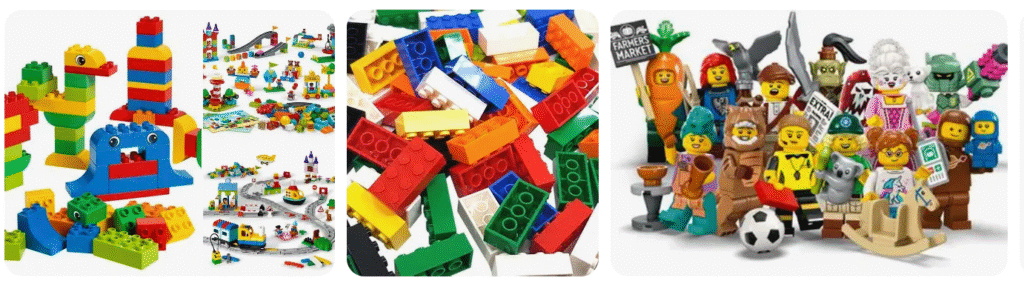
LEGO’s brilliance lies in its simplicity. Just a few bricks can become anything—from a spaceship to a medieval castle. That open-ended creativity is what makes it universally loved.
It’s one of the few toys that truly transcends age groups, cultures, and even technology. Whether you’re a 5-year-old building your first set or a 35-year-old AFOL (Adult Fan of LEGO) constructing a 6,000-piece model, LEGO always delivers.
But LEGO isn’t just about bricks anymore. The brand has successfully expanded into movies, theme parks (LEGOLAND), educational robotics (LEGO Mindstorms), and even architecture sets designed for adults.
It’s a company that adapts without losing its core identity—creative play. LEGO’s partnerships with blockbuster franchises like Star Wars, Harry Potter, Marvel, and Disney have kept it at the forefront of both pop culture and retail shelves.
In education, LEGO has revolutionized STEM learning. Through its LEGO Education division, the company provides teachers with tools to integrate play into the classroom.
LEGO teaches not only construction but also coding, problem-solving, and teamwork. That blend of fun and function is why LEGO is still one of the most respected toy brands in the world.
3. Hasbro — Game-Changer in Toys & Entertainment
If Mattel is Barbie’s house, Hasbro is the kingdom of play. Founded in 1923, Hasbro is a titan in the toy and board game industry, responsible for a massive portfolio of household names—Transformers, My Little Pony, Monopoly, Nerf, and Play-Doh, to name a few.
In 2025, Hasbro remains a market leader by consistently blending traditional play with modern innovation.
One of Hasbro’s strongest assets is its ability to build powerful franchises. The Transformers line alone has grown into a billion-dollar media franchise, with blockbuster movies, TV series, video games, and merchandise.
Monopoly, originally released in the 1930s, continues to evolve with editions themed after everything from cities to streaming shows.
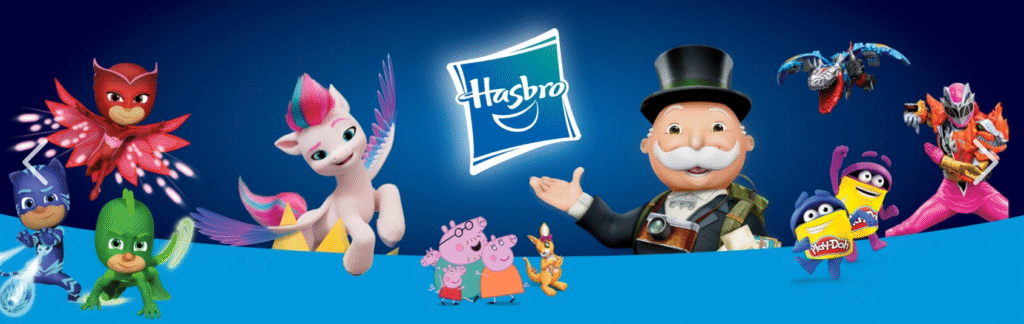
Hasbro’s commitment to multimedia storytelling gives it an edge. Its acquisition of eOne, a media and entertainment company, allowed Hasbro to create original content around its toys, turning them into experiences rather than just products. Kids don’t just play with Hasbro toys—they watch, follow, and live them.
Another point in Hasbro’s favor is brand diversity. From family board games to action figures and educational toys, Hasbro covers the entire spectrum of play.
The company also actively embraces inclusivity and eco-friendly practices, reflecting the values of today’s consumers.
Hasbro’s blend of nostalgia, creativity, and media synergy keeps it near the top of the toy world. It’s a brand that understands both tradition and transformation.
4. Fisher-Price — The First Choice for First Toys
When it comes to early childhood development, few brands come close to the legacy of Fisher-Price. Established in 1930, Fisher-Price has spent nearly a century building trust with parents and joy with children.
Known for their colorful, safe, and educational toys for infants and toddlers, the brand continues to be the go-to for first-time parents.
What sets Fisher-Price apart is its deep understanding of developmental milestones. Each toy is designed not just for entertainment but to help babies and toddlers develop essential skills like coordination, sensory perception, and language. Whether it’s the classic Rock-a-Stack or the Laugh & Learn Smart Stages Puppy, these toys are built with purpose.
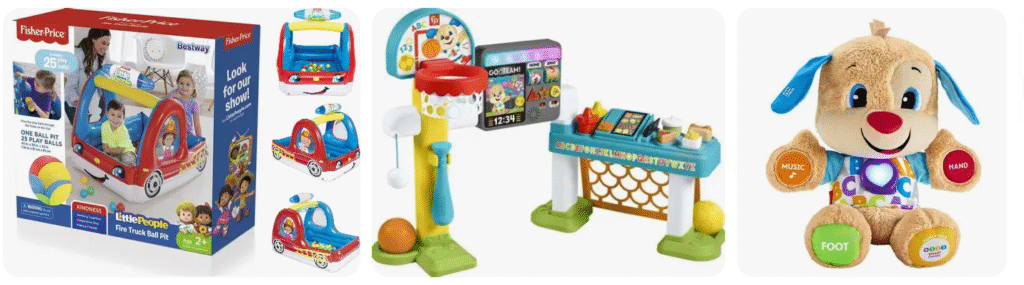
Fisher-Price doesn’t just rely on tradition—it innovates. Their line of smart toys integrates technology in subtle, enriching ways, using music, lights, and interactive features to promote learning.
They’ve also partnered with experts in childhood education and pediatrics to make sure their toys are as effective as they are fun.
The brand also stands out in terms of safety. Parents can trust Fisher-Price to meet the highest safety standards, with rigorous product testing and responsible manufacturing practices. That peace of mind, combined with the brand’s long-standing reputation, makes Fisher-Price a leader in the baby and toddler segment in 2025.
5. Hot Wheels — Speed, Collectibility, and Culture
Hot Wheels is not just about miniature cars—it’s a high-octane blend of racing thrills, creative design, and collector culture. Launched by Mattel in 1968, Hot Wheels quickly became a staple in the toy aisles, known for its vibrant die-cast cars, winding tracks, and head-to-head speed challenges.
These days, Hot Wheels is more than a toy—it’s a phenomenon. With over 20,000 different models released since its inception, it holds a loyal base of collectors and enthusiasts of all ages. Some limited-edition Hot Wheels cars even sell for thousands of dollars, making it a legit collector’s niche.
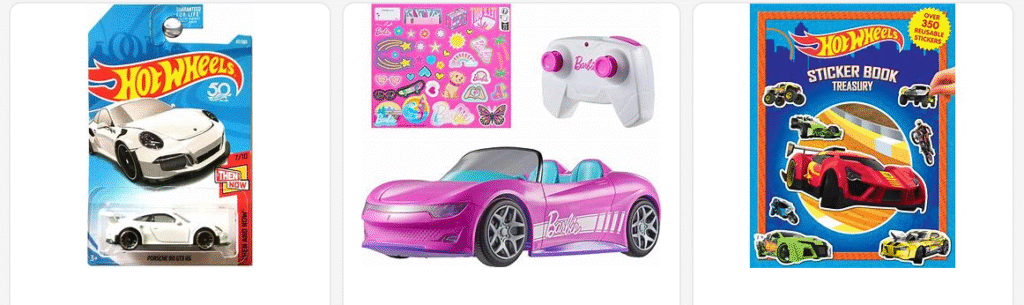
In 2025, Hot Wheels continues to dominate thanks to its innovation in product design. From track-building kits with stunts and loops to remote-controlled racers and even augmented reality integrations, the brand keeps speeding ahead of competitors.
Their collaborations with major car manufacturers like Lamborghini, Tesla, and Nissan also bring authenticity and realism to their mini machines.
Hot Wheels’ culture has expanded into esports-like racing competitions, animation series, and mobile gaming, solidifying its presence across platforms.
For kids, it’s a gateway into the world of cars and imagination. For adults, it’s nostalgia and hobby all wrapped in one. That’s why Hot Wheels is not only fast—it’s forever.
6. Nerf — Foam-Blasting Fun for All Ages
When it comes to action-packed play without the risk of injury, no toy brand has made a bigger impact than Nerf. Originally launched by Parker Brothers (now owned by Hasbro) in the 1970s with a simple foam ball, Nerf has since evolved into a global leader in foam-based weapons and sports toys.
In 2025, Nerf is a dominant player in both the toy and lifestyle space, with its blasters, sports gear, and outdoor games appealing to a wide range of age groups.
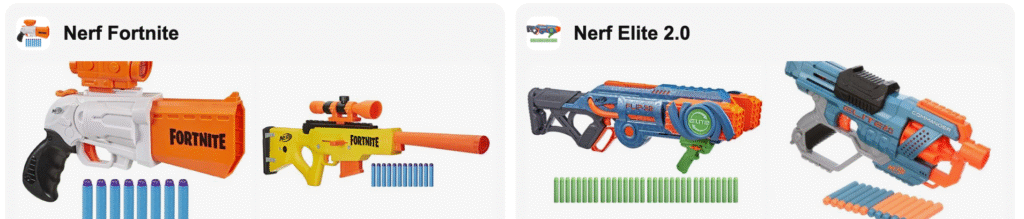
What makes Nerf so successful is its perfect balance of safety and excitement. Kids can engage in competitive battles using blasters that shoot soft foam darts, discs, and even balls—allowing for intense action without parental worry. Whether indoors or outside, Nerf creates a safe space for energetic play.
Its product lines such as Nerf Elite, Nerf Rival, and Nerf Ultra offer a variety of blaster styles, sizes, and ammo types to match different play preferences.
One of Nerf’s greatest strengths is how it continues to innovate. With motorized and battery-powered blasters, clip systems, and even voice-controlled models, Nerf stays ahead of the curve in the toy tech world. They’ve also embraced augmented reality and mobile app integration, giving kids more immersive battle experiences.
The cultural reach of Nerf is undeniable. It’s become a sensation on YouTube, TikTok, and in backyard battles across the world. Influencers and content creators regularly showcase Nerf wars, tutorials, and custom builds, helping build a loyal, enthusiastic community. Adults get in on the action too, with Nerf tournaments and workplace Nerf battles growing in popularity.
Whether it’s through its high-performance designs, collector’s editions, or widespread brand recognition, Nerf proves that play doesn’t stop when you grow up—it just gets better.
7. Playmobil — Tiny Figures with Big Stories
Playmobil, created by German company Brandstätter Group in the 1970s, has built its success on storytelling. Unlike more abstract or modular toy systems, Playmobil toys come as detailed playsets with figures and accessories that depict real-world scenes, historical themes, or imaginative adventures.
In 2025, Playmobil continues to shine as a brand that celebrates realism, creativity, and endless play possibilities.
From its police stations and firehouses to fantasy castles and pirate ships, every Playmobil set tells a story. This storytelling aspect helps children develop narrative thinking, imagination, and problem-solving skills.
Each playset acts as a miniature world, giving kids the tools to create, explore, and role-play in ways that simulate life’s many experiences.
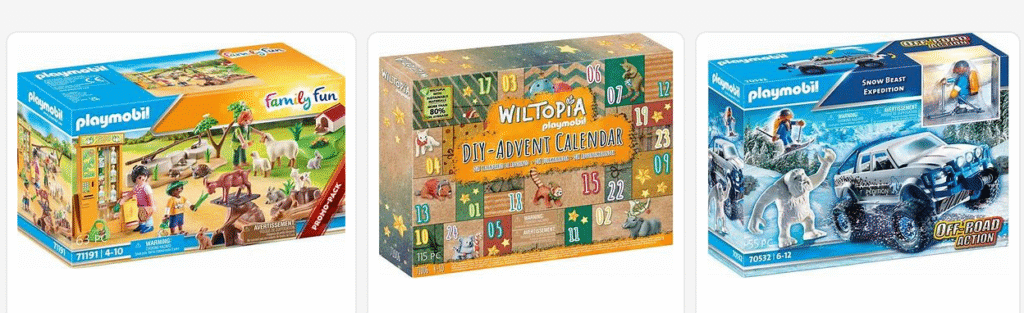
Playmobil’s incredible attention to detail is another major selling point. The figurines are well-crafted with movable arms, legs, and hands, and the accessories are often intricate replicas of real-world items. The design quality encourages longer play sessions and invites collaborative play, whether between siblings or parent and child.
The brand has also embraced pop culture in recent years, releasing licensed sets from popular franchises like “Ghostbusters,” “Back to the Future,” and “Scooby-Doo.” These additions have brought in a wave of adult collectors and nostalgic parents eager to share their love for classic brands with their children.
Playmobil stands out for its commitment to screen-free, imaginative play. It doesn’t need flashy electronics or digital tie-ins to stay relevant—its focus remains on tactile interaction, open-ended play, and timeless storytelling. In a world where digital often dominates, Playmobil offers a refreshing, hands-on alternative that both kids and parents adore.
8. VTech — Educational Play Meets Innovation
If there’s one brand that perfectly bridges the gap between learning and play, it’s VTech. Founded in Hong Kong in 1976, VTech (short for Video Technology) has grown into a powerhouse in the electronic learning toy industry.
In 2025, VTech continues to be the go-to choice for parents looking to introduce their children to educational technology that’s both fun and developmentally appropriate.
VTech’s product line spans a wide age range—from infants and toddlers to school-aged kids. Their toys are often interactive and packed with features designed to promote learning in areas like language development, basic math, music, and problem-solving.
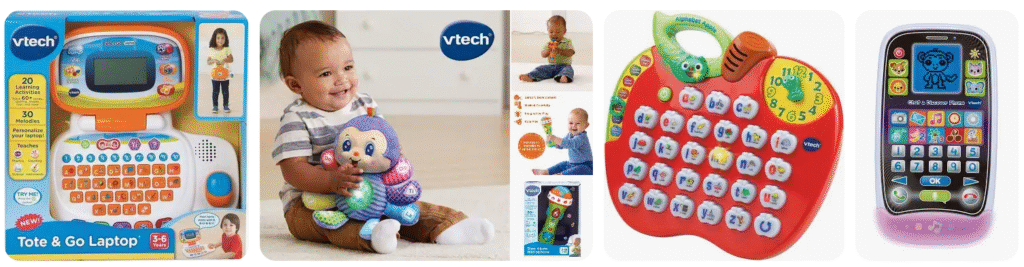
Whether it’s the iconic VTech Sit-to-Stand Learning Walker or the Kidizoom Camera, each toy is carefully designed to teach while entertaining.
One of the keys to VTech’s success is its focus on developmental milestones. Their products are developed in collaboration with child development experts to ensure they align with what kids need at each stage of growth. From talking books and alphabet trains to digital tablets and smartwatches for kids, VTech toys evolve with your child’s abilities.
VTech also integrates cutting-edge technology into its toys. Voice recognition, touch screens, and Bluetooth connectivity are just some of the features found in their latest gadgets. Despite the techy features, VTech never loses sight of child safety and simplicity. Their products are robust, child-friendly, and easy to use.
For parents who are concerned about excessive screen time, VTech offers a great balance—introducing children to digital tools in a structured and beneficial way. It’s a smart start to a digital future, rooted in foundational skills and hands-on discovery.
9. Melissa & Doug — Timeless Wooden Toys That Inspire Creativity
In an age dominated by screens and plastic, Melissa & Doug brings us back to basics with handcrafted wooden toys and imaginative playsets. Founded in the late 1980s by Melissa and Doug Bernstein, this American company has earned a reputation for producing high-quality, screen-free toys that stimulate creativity, curiosity, and developmental growth.
What sets Melissa & Doug apart is its unwavering commitment to child-led play. The brand’s philosophy is simple: give kids the tools, and let them take the lead. Their toys are intentionally low-tech to encourage open-ended play, creativity, and skill development. Whether it’s a wooden puzzle, pretend food set, or role-play costume, every product invites children to think independently and imagine freely.
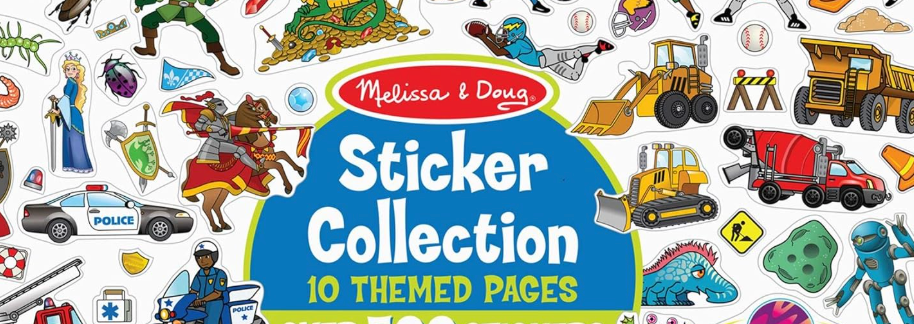
Parents love Melissa & Doug because of its trusted safety and quality. The toys are made with sustainable wood and non-toxic materials, undergoing rigorous safety testing. The craftsmanship is evident in every detail—from smooth finishes to vibrant, safe paints.
Melissa & Doug’s product range covers a variety of interests and ages. Their arts and crafts line promotes fine motor skills, while their pretend-play products, like play kitchens and doctor kits, help with emotional and social development. They’ve also introduced developmental tools for kids with autism and special needs, creating inclusive learning experiences.
The company’s slogan, “Take Back Childhood,” perfectly sums up their mission: to help kids experience the magic of unstructured play in a world that’s constantly rushing forward. In doing so, Melissa & Doug not only stands out—they stand tall.
10. Spin Master — Innovation, Surprise, and Global Reach
Spin Master is one of the most creative and agile toy companies in the world today. Established in 1994 in Canada, this relatively young player has already delivered some of the most innovative toys and franchises of the past two decades, including Paw Patrol, Hatchimals, Air Hogs, and Bakugan. In 2025, Spin Master is a name synonymous with surprise, delight, and trendsetting.
Spin Master excels at spotting emerging trends and turning them into toy phenomena. Take Hatchimals, for example—a surprise-egg concept that combined nurturing, interactivity, and the thrill of discovery. It went viral almost instantly and dominated holiday wish lists around the globe. Or Paw Patrol, which became a cultural staple for preschoolers, expanding into animated TV, movies, and endless merchandise.
What makes Spin Master stand out is its innovation-first approach. The company invests heavily in research and development to ensure every product delivers a wow factor. They also have a knack for blending traditional play with modern technology—like drones that are easy for kids to fly or toys that connect with mobile apps.
The brand has built a diverse product portfolio that spans across categories: from collectible toys and board games to digital gaming and entertainment. Spin Master doesn’t just release toys—they build experiences and ecosystems that keep kids engaged.
In an industry often led by legacy giants, Spin Master’s bold creativity, marketing genius, and quick responsiveness make it a standout force to be reckoned with. It’s a toy company for the now—and the next.
11. Mattel — The Powerhouse Behind Multiple Iconic Brands
While Barbie may be its most famous creation, Mattel as a whole is a massive force in the global toy industry. Founded in 1945, this American toy giant has brought the world a host of beloved brands including Hot Wheels, Fisher-Price, Polly Pocket, American Girl, and Thomas & Friends. In 2025, Mattel remains a juggernaut by continuously evolving its brands while staying loyal to its legacy.
Mattel’s strength lies in its brand portfolio and its ability to build deep emotional connections across generations. Most children, at some point, have interacted with a Mattel product—whether it’s pushing a Hot Wheels car down a track, dressing up a Barbie, or learning with a Fisher-Price toy. This cross-generational appeal ensures Mattel stays relevant year after year.
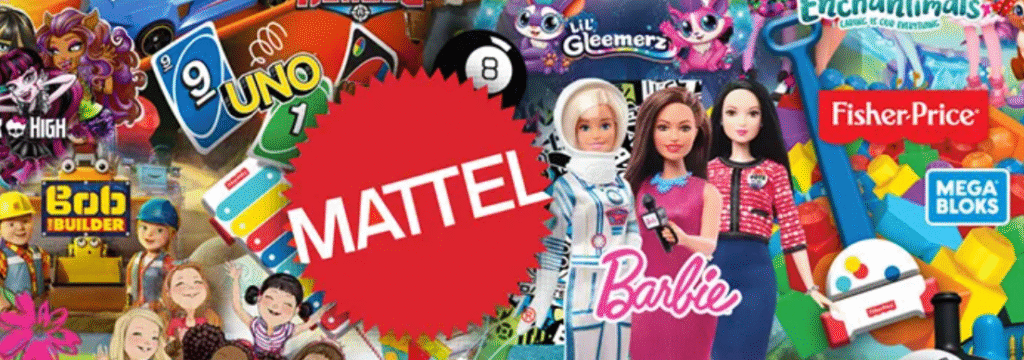
Another reason Mattel is consistently a top performer is its embrace of storytelling. Through animated series, feature films, books, and mobile apps, Mattel doesn’t just sell toys—it sells experiences. The 2023 Barbie movie, for instance, wasn’t just a cinematic success—it redefined the brand for a whole new generation and triggered a global resurgence in interest.
Mattel has also prioritized innovation. From AI-enabled toys to sustainable materials and inclusive product lines, the company has kept pace with modern expectations. Their focus on diversity and representation—offering dolls of various body types, skin tones, and abilities—reflects their understanding of today’s global audience.
For investors, Mattel is one of the most stable players in the industry. For parents, it’s a trusted name. For kids, it’s the spark of imagination. All of these factors make Mattel more than just a toy company—it’s a foundational pillar of childhood for millions around the world.
12. Bandai Namco — Bridging Japanese Toys and Global Pop Culture
Bandai Namco may not be a household name for everyone in the West, but it is one of the largest and most influential toy companies in the world—especially when it comes to merging gaming, animation, and toys.
Based in Japan, Bandai Namco is the creator of iconic franchises like Tamagotchi, Gundam, Digimon, and Dragon Ball Z. In 2025, this brand remains a global powerhouse in character-based toy merchandise and entertainment.
One of Bandai Namco’s key strengths is its mastery of multimedia synergy. Their toys are rarely standalone products—they are part of larger ecosystems that include anime, video games, movies, and mobile apps. This interconnectedness enhances engagement and keeps fans invested across multiple platforms.
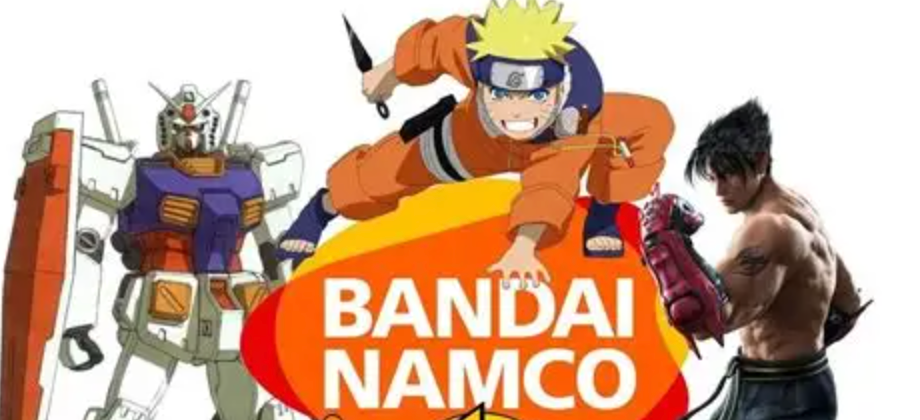
Gundam model kits (Gunpla), for instance, are more than just toys—they’re a cultural phenomenon. These buildable figures encourage precision, creativity, and patience, making them wildly popular among hobbyists and collectors of all ages. Meanwhile, Tamagotchi—a virtual pet craze from the 1990s—has evolved into a digital experience that still captivates today’s tech-savvy kids.
Bandai Namco also excels at licensing and partnerships. Its ability to deliver quality toys based on beloved anime series ensures a steady stream of enthusiastic customers. Dragon Ball Z, Naruto, and One Piece figures continue to be hot sellers across global markets, especially among older kids and adult fans.
Their integration of Japanese craftsmanship, storytelling, and advanced toy engineering makes Bandai Namco a unique entry on this list. It’s not just about play—it’s about culture, identity, and passion. That’s why Bandai Namco continues to grow its global footprint and solidify its reputation as one of the best toy brands in the world.
Conclusion
When we look at the best toy brands of 2025, it’s clear that the industry is not just surviving—it’s thriving. These companies aren’t merely creating products—they’re building worlds, shaping childhoods, and adapting to an ever-evolving global market.
From Barbie’s legacy of empowerment and imagination to LEGO’s blocks of boundless creativity, each brand on this list has carved its own path to greatness.
Whether it’s Mattel’s multi-generational magic, Spin Master’s flair for innovation, or Playmobil’s storytelling charm, the variety is endless—and that’s a good thing. It means no matter what your child is into—cars, crafts, castles, coding—there’s a brand out there that sparks joy and fuels growth.
In a tech-driven world, these toy companies remind us of the enduring power of play. And with Barbie still reigning supreme, it’s safe to say that the future of toys is as bright, bold, and imaginative as ever.
FAQs About Best Toy brands in 2025
1. Why is Barbie still considered the number one toy brand in 2025?
Barbie remains number one due to Mattel’s continual innovation, cultural relevance, inclusivity, and a powerful brand legacy that spans generations.
2. What makes LEGO different from other building toys?
LEGO’s modular brick system, creative themes, and strong media presence set it apart. Its educational value also makes it a favorite among parents and educators.
3. Are VTech toys safe for toddlers and young children?
Yes, VTech designs its toys in collaboration with child development experts and ensures all products meet international safety standards.
4. Is Playmobil good for learning and development?
Absolutely. Playmobil encourages imaginative play, storytelling, and social development through detailed, themed playsets that mimic real-life scenarios.
5. Which toy brand is best for educational and tech-integrated play?
VTech and LEGO Education both offer excellent options. While VTech focuses on interactive electronics, LEGO Education blends hands-on play with STEM learning.